



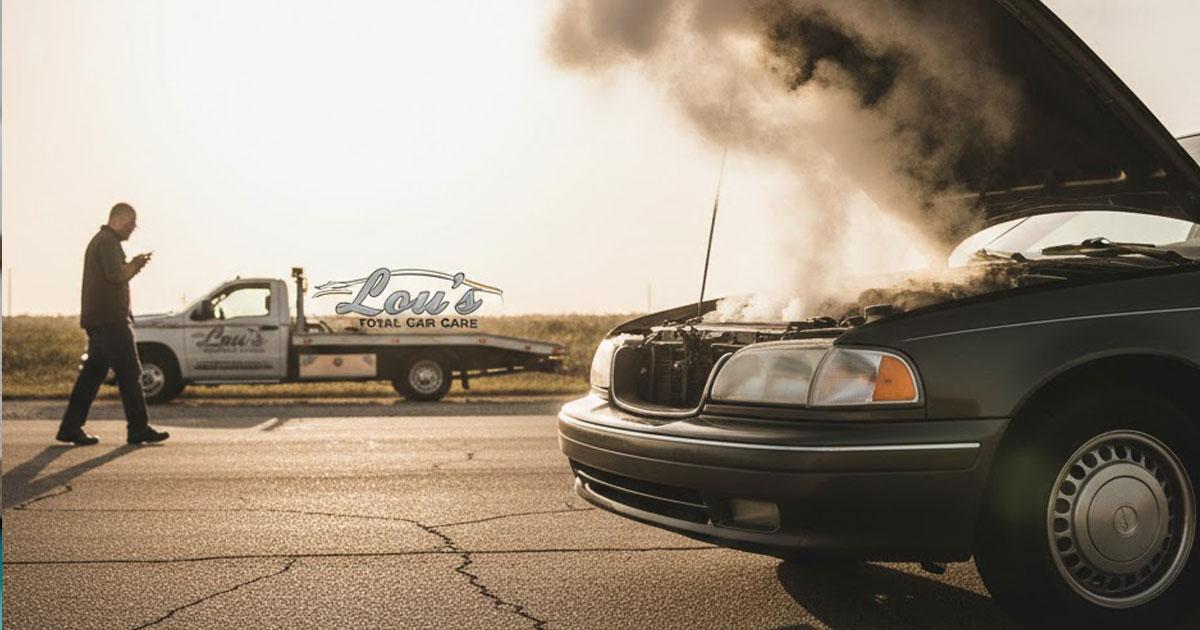

While Fort Myers drivers understand the importance of keeping their cabin A/C running strong against Southwest Florida's relentless heat, many overlook an even more critical cooling system—the one keeping their engine from self-destructing under the hood. Your engine's cooling system works harder in Fort Myers than almost anywhere else in the country, battling temperatures that regularly exceed 90 degrees while managing the extreme heat your engine generates during operation. When cooling systems fail—and they eventually will without proper maintenance—the consequences range from inconvenient breakdowns to catastrophic engine damage costing thousands in repairs. Understanding how your cooling system works, recognizing warning signs of problems, and maintaining this vital system keeps you on Fort Myers roads reliably while protecting your significant automotive investment.
Understanding Your Engine's Cooling System Components
Your vehicle's cooling system is more complex than most drivers realize, consisting of multiple interconnected components working together to maintain optimal engine temperature. The radiator serves as the primary heat exchanger, using airflow to cool hot coolant before it returns to the engine. The water pump circulates coolant throughout the system—when it fails, coolant stops flowing and overheating happens rapidly. The thermostat regulates coolant flow based on engine temperature, opening and closing to maintain ideal operating range. Coolant hoses transport fluid between components and deteriorate over time from heat exposure and chemical exposure. The radiator cap maintains system pressure which raises coolant's boiling point, preventing steam formation that compromises cooling efficiency. The cooling fan—mechanical or electric depending on your vehicle—provides additional airflow when vehicle speed isn't sufficient for natural cooling. Finally, the coolant itself is a carefully formulated mixture of water, antifreeze, and corrosion inhibitors that transfers heat while protecting metal components. When any single component fails, the entire system's effectiveness is compromised, making comprehensive maintenance essential rather than simply topping off coolant when levels look low.
Why Fort Myers' Climate Accelerates Cooling System Wear
Southwest Florida's year-round heat and humidity create uniquely challenging conditions for cooling systems that dramatically accelerate wear compared to moderate climates. Engines in Fort Myers run hotter on average since ambient temperatures provide less natural cooling—a 95-degree day offers no cooling benefit, forcing your radiator to work exponentially harder than the same vehicle operating in 70-degree weather. Stop-and-go traffic common in Fort Myers eliminates airflow through the radiator, forcing cooling fans to run constantly and putting tremendous strain on electric fan motors and mechanical fan clutches. Air conditioning use—nearly constant in Southwest Florida—adds heat load to the cooling system since A/C condenser heat must be dissipated alongside engine heat. High humidity means less evaporative cooling, reducing efficiency of the entire heat transfer process. Salt air corrosion attacks radiators, hoses, and metal cooling system components from outside while coolant protects from inside. These factors mean cooling system components that might last 100,000 miles in Minnesota may need replacement at 60,000 or 70,000 miles in Fort Myers—not because of defects but simply because of the brutal operating conditions our climate imposes.
The Catastrophic Consequences of Engine Overheating
Understanding what happens when engines overheat emphasizes why cooling system maintenance deserves serious attention and investment. Cylinder head warping occurs when aluminum heads expand unevenly from excessive heat—this creates permanent damage requiring expensive machining or replacement. Head gasket failure happens when extreme temperatures cause gasket materials to fail, allowing coolant into combustion chambers or oil passages—repairs typically cost $1,500-$3,000 and require substantial engine disassembly. Engine block cracking can occur in severe overheating situations, essentially destroying the engine and necessitating complete replacement. Piston damage from excessive heat includes scuffing, scoring, and in extreme cases, seizure that locks the engine solid. Bearing damage occurs when oil breaks down from heat, eliminating lubrication and causing bearing surfaces to fail. Warped rotors and damaged brake systems can result from overheated coolant boiling over onto brake components. Even relatively minor overheating causes accelerated wear throughout the engine that shortens its overall lifespan even if immediate catastrophic failure doesn't occur. The financial impact of major overheating damage often exceeds the vehicle's value, turning a $200 cooling system service into a $5,000 engine replacement or a total loss situation.
Warning Signs Your Cooling System Needs Attention
Your vehicle provides numerous warning signs that cooling system problems are developing—recognizing these early allows preventive action before disaster strikes. Temperature gauge reading higher than normal or climbing into the red zone is the most obvious indicator that something's wrong. Steam or coolant smell from under the hood often indicates leaks or overheating situations. Coolant puddles under your parked vehicle signal leaks that will eventually leave you stranded without adequate coolant. Sweet smell inside the cabin can indicate heater core leaks that are allowing coolant into your ventilation system. White exhaust smoke suggests coolant burning in combustion chambers from head gasket failure. Sludgy or rusty coolant visible in the overflow reservoir indicates deteriorated coolant that's no longer protecting your system. Hissing sounds after shutting off the engine can indicate excessive system pressure from overheating or failing pressure cap. Engine running rough or misfiring might result from coolant contamination in cylinders. When you notice any of these symptoms, immediate professional diagnosis at Lou's Total Car Care can identify problems before they escalate into catastrophic failures that leave you stranded on I-75 in 95-degree heat or facing engine replacement bills.
Coolant: More Than Just Water
Many drivers don't understand why proper coolant matters and assume water alone is sufficient for engine cooling—this misconception leads to serious problems in Fort Myers' climate. Antifreeze raises the boiling point of coolant significantly above water's 212 degrees—modern coolant mixtures won't boil until around 265 degrees, providing critical margin before steam formation compromises cooling. These same mixtures lower the freezing point, which matters less in Fort Myers but prevents cold-weather damage for vehicles traveling north during winter months. Corrosion inhibitors in coolant protect aluminum, steel, and copper components from chemical attack that would otherwise cause rapid deterioration and leaks. Proper pH balance maintains system integrity—deteriorated coolant becomes acidic and literally eats away at components from inside. Different coolant types—conventional green, extended-life orange, Asian blue, European pink—contain different additive packages and cannot be mixed without causing problems. Using the wrong coolant type can cause corrosion, seal deterioration, and sludge formation that blocks passages and destroys water pumps. Coolant doesn't last forever—additives deplete over time, typically requiring replacement every 30,000-50,000 miles depending on type. Professional coolant service includes not just replacement but complete system flushing that removes accumulated scale and contaminants that simple drain-and-fill leaves behind.