



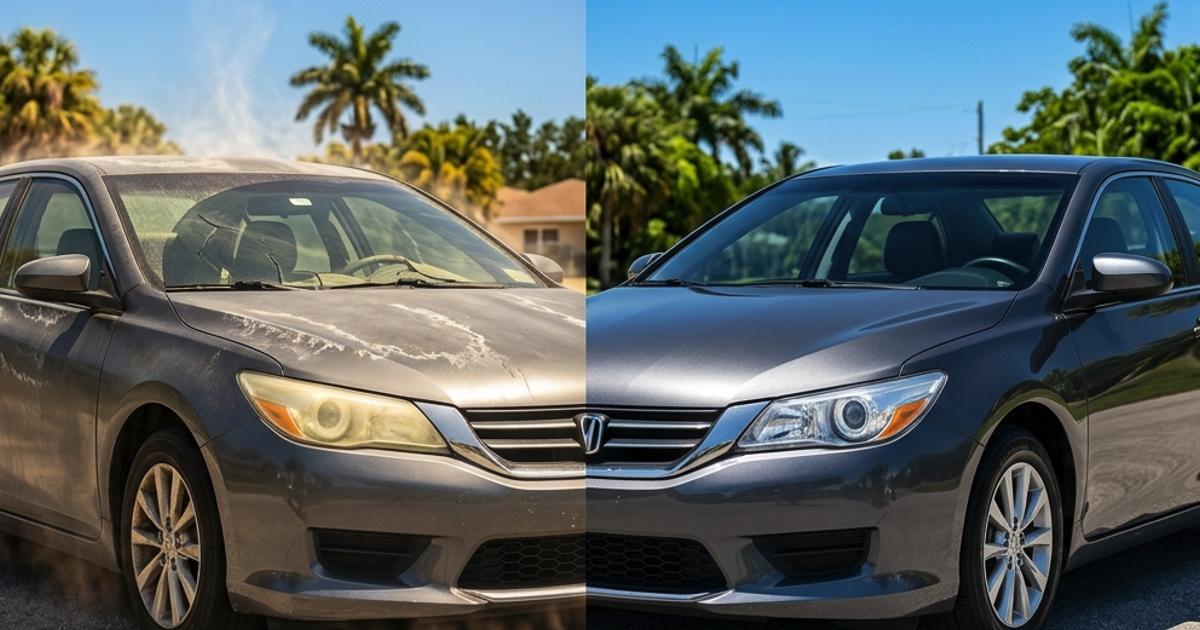

If you have lived in Fort Myers for any length of time, you already know that the Florida sun is no joke. Temperatures regularly climb into the upper nineties, humidity clings to everything, and UV rays beat down on your vehicle day after day without mercy. Most drivers think about sunscreen and staying hydrated during these brutal months, but far fewer stop to think about what that same relentless heat is doing to their car, truck, or SUV sitting in a parking lot or driveway. The truth is, Southwest Florida's climate is one of the most demanding environments a vehicle can face, and the damage it causes is often slow, silent, and extremely expensive if left unaddressed.
At Lou's Total Car Care, located at 4531 S Cleveland Ave in Fort Myers, our team sees the results of heat-related vehicle damage every single day. We have watched what could have been a simple, affordable fix turn into a major repair simply because a driver did not recognize the early warning signs. Our goal is always to help Fort Myers drivers stay ahead of problems before they become costly emergencies, and understanding how heat attacks your vehicle is the first step in doing exactly that.
How Extreme Heat Breaks Down Your Vehicle's Interior Systems
Most people think of mechanical components when they worry about vehicle damage, but the interior of your car takes a serious beating from the Florida sun in ways that affect both comfort and safety. The cabin of a car parked in direct sunlight in Fort Myers can reach temperatures of 150 degrees or higher within minutes. That kind of heat does not just make your seat uncomfortable. It actively degrades the materials, electronics, and systems inside your vehicle.
Dashboard and Interior Trim Deterioration
The dashboard is one of the first areas to show visible signs of heat damage. UV rays penetrate glass and cause plastics and vinyl to dry out, crack, and fade over time. What starts as a slightly faded dashboard can eventually result in warped panels, brittle trim pieces, and crumbling materials that cannot be repaired without full replacement. Leather and synthetic seating surfaces suffer similar fates, cracking and peeling when not properly conditioned and protected. Beyond aesthetics, a severely cracked dashboard can actually create glare hazards that impair your ability to see the road clearly.
Electronic Systems and Wiring Under Stress
Modern vehicles are packed with electronic components, and heat is one of electronics' worst enemies. Prolonged exposure to extreme cabin temperatures can degrade wiring insulation, cause sensors to malfunction, and shorten the lifespan of control modules, infotainment screens, and navigation systems. If you have noticed your screen dimming unexpectedly, controls behaving erratically, or warning lights flickering, heat damage to your electrical components could be a contributing factor. Lou's Total Car Care offers thorough diagnostic services that can identify heat-related electrical issues before they cascade into more serious and expensive failures.
Refrigerant and Air Conditioning System Strain
The harder your air conditioning system has to work, the faster its components wear down. In Fort Myers, that system rarely gets a break. Constant high demand accelerates compressor wear, strains refrigerant lines, and can cause evaporator coils and condensers to develop leaks. Many drivers do not realize their A/C system is struggling until it stops blowing cold air entirely. Routine inspections of your air conditioning system, especially heading into summer, can catch refrigerant loss, worn belts, and stressed components before a complete failure leaves you sweating in traffic.
What Heat Does to Your Vehicle's Critical Mechanical and Fluid Systems
Beyond what you can see and feel inside the cabin, extreme heat wages a quiet war against the mechanical systems that keep your vehicle moving. Engine compartments in Southwest Florida regularly reach temperatures that would be considered extreme even in northern climates, and that heat degrades fluids, seals, hoses, and rubber components at an accelerated rate.
Engine Oil Breakdown and Viscosity Problems
Motor oil is designed to lubricate your engine's moving parts and carry heat away from critical components. In high temperatures, oil breaks down more quickly, losing its ability to protect metal surfaces effectively. If you are not keeping up with oil changes at appropriate intervals, your engine could be running on degraded oil that provides far less protection than it should. Fort Myers drivers need to pay close attention to oil change schedules and ensure they are using the correct viscosity rating for their climate. Our team at Lou's can help you determine the right oil specification and interval for your specific vehicle and driving conditions.
Coolant System and Overheating Risk
Your cooling system is your engine's primary defense against heat-related failure, and in Southwest Florida, it has to perform at its absolute best. Coolant degrades over time, losing its ability to transfer heat efficiently. Hoses and belts connected to the cooling system become brittle and prone to cracking in extreme temperatures. A cooling system that is operating even slightly below peak performance in Fort Myers heat is a cooling system that is one bad afternoon away from leaving you stranded on US-41 with a steaming engine. Regular coolant flushes, hose inspections, and thermostat checks are not optional luxuries in this climate. They are necessities.
Rubber Seals, Gaskets, and Hoses
Heat is particularly harsh on rubber components throughout your vehicle. Engine gaskets, valve cover seals, transmission seals, and the numerous hoses running throughout your engine bay are all subject to accelerated deterioration in extreme temperatures. When rubber dries out and cracks, fluids begin to leak. Small leaks become big leaks, and big leaks lead to significant mechanical damage. Routine inspections allow our technicians to identify brittle or cracked rubber components before they fail and cause cascading damage to surrounding systems.
Protecting Your Vehicle's Exterior from Florida Sun and Heat
The exterior of your vehicle faces constant assault from UV radiation, intense heat, salt air from the Gulf, and the occasional intense rain shower that comes with Southwest Florida living. Each of these factors accelerates the breakdown of your paint, clear coat, and structural body components in ways that reduce both your vehicle's appearance and its resale value.
Paint and Clear Coat Oxidation
UV rays break down the clear coat that protects your vehicle's paint, causing it to fade, oxidize, and develop a chalky or dull appearance over time. Once the clear coat is compromised, the paint beneath becomes vulnerable to further degradation, rust, and peeling. Vehicles parked outdoors in Fort Myers without any protective coating or regular washing and waxing will show visible paint deterioration far faster than vehicles in more temperate climates. Professional paint protection and regular detailing can significantly slow this process and preserve both the appearance and value of your vehicle.
Tire Wear and Degradation
Heat is one of the leading contributors to accelerated tire wear and blowouts. Hot pavement raises tire temperatures significantly above ambient air temperature, and tires that are already running at lower-than-recommended pressure are at serious risk of failure. In Fort Myers, checking your tire pressure regularly is critical because heat causes air pressure to fluctuate, and under-inflated tires generate excessive heat on their own, creating a dangerous compounding effect. Proper inflation, regular rotation, and periodic inspections keep your tires safe and help them last as long as possible.
What You Can Do Starting Today
Protecting your vehicle from Southwest Florida's heat does not require extraordinary effort, but it does require consistency. Here are some of the most effective steps Fort Myers drivers can take to minimize heat-related damage:
- Park in shaded areas or use a covered garage whenever possible to reduce UV exposure and cabin temperatures
- Use a reflective windshield sunshade to dramatically lower interior temperatures when parked
- Keep up with regular oil changes using the correct viscosity oil for hot climates
- Have your cooling system inspected and flushed according to your manufacturer's recommended schedule
- Schedule routine inspections of belts, hoses, and rubber seals to catch deterioration early
- Check tire pressure weekly, especially during hot weather, and inspect for signs of uneven wear or sidewall cracking
- Have your air conditioning system serviced annually to ensure it can handle peak demand
- Wash and wax your vehicle regularly to protect the paint and clear coat from UV degradation
- Condition leather and vinyl surfaces to prevent cracking and extend the life of your interior
Lou's Total Car Care Is Here to Help Fort Myers Drivers Beat the Heat
At Lou's Total Car Care, we understand that Fort Myers drivers face challenges that drivers in other parts of the country simply do not have to deal with. Our team is experienced in identifying, diagnosing, and repairing the specific types of damage that Southwest Florida's climate causes to vehicles of every make and model. Whether you drive a compact commuter car, a heavy-duty truck, or a luxury SUV, the heat affects your vehicle in ways that require proactive attention.
We pride ourselves on honest assessments, fair pricing, and fast turnaround times that get you back on the road without unnecessary delays. When you bring your vehicle to us, you are not just getting a repair. You are getting the peace of mind that comes from working with a family-owned shop that genuinely cares about keeping you and your family safe. Stop by our shop at 4531 S Cleveland Ave, give us a call at (239) 278-1682, and let our team help you protect your vehicle from the relentless Southwest Florida heat before the damage becomes something far more serious and far more expensive to fix.